Waarom het belangrijk is om de namen van stoelonderdelen te kennen
Of u nu een kapot onderdeel repareert, een vervangend onderdeel bestelt of communiceert met een meubelfabrikant: het kennen van de juiste namen voor stoelonderdelen elimineert onduidelijkheid en bespaart tijd. Een "zitkussen" en een "zitkuip" zijn verschillende componenten; een "gasfles" en een "stoelonderstel" hebben verschillende functies. Nauwkeurige terminologie is van toepassing op alle stoeltypes — bureaustoelen, eetkamerstoelen, fauteuils en barkrukken hebben veel structurele componenten met elkaar gemeen, zelfs als hun ontwerpen aanzienlijk verschillen.
De seat is the primary load-bearing surface and consists of several distinct parts:
- Zitschaal (zitschaal): De structural base of the seat — typically moulded plastic, plywood, or formed steel — that supports the cushioning and upholstery above it. When a seat cushion is removed, the seat pan is what remains.
- Zitkussen (zitkussen): De foam, fibre, or spring-supported upholstered layer on top of the seat pan that provides comfort. In dining chairs this is often a single removable pad; in office chairs the foam is typically bonded to the seat pan and covered in fabric or mesh.
- Zitschuim: De internal padding material, most commonly polyurethane foam rated by density (kg/m³) and ILD (Indentation Load Deflection, a measure of firmness). Higher-density foam — boven 45 kg/m³ — is bij langdurig dagelijks gebruik aanzienlijk langer bestand tegen compressievermoeidheid dan schuim van economische kwaliteit.
- Stoelbekleding (stoelbekleding): De fabric, leather, vinyl, or mesh covering that wraps the seat cushion. Attached by staples, clips, or a slip-on cover depending on the chair design.
- Watervalrand: Een ontwerpkenmerk waarbij de voorkant van de stoel naar beneden buigt in plaats van te eindigen in een harde rechte hoek. Vermindert de druk achter de knieën tijdens langdurig zitten en is een bekende specificatie in ergonomische bureaustoelen.
De Backrest Assembly
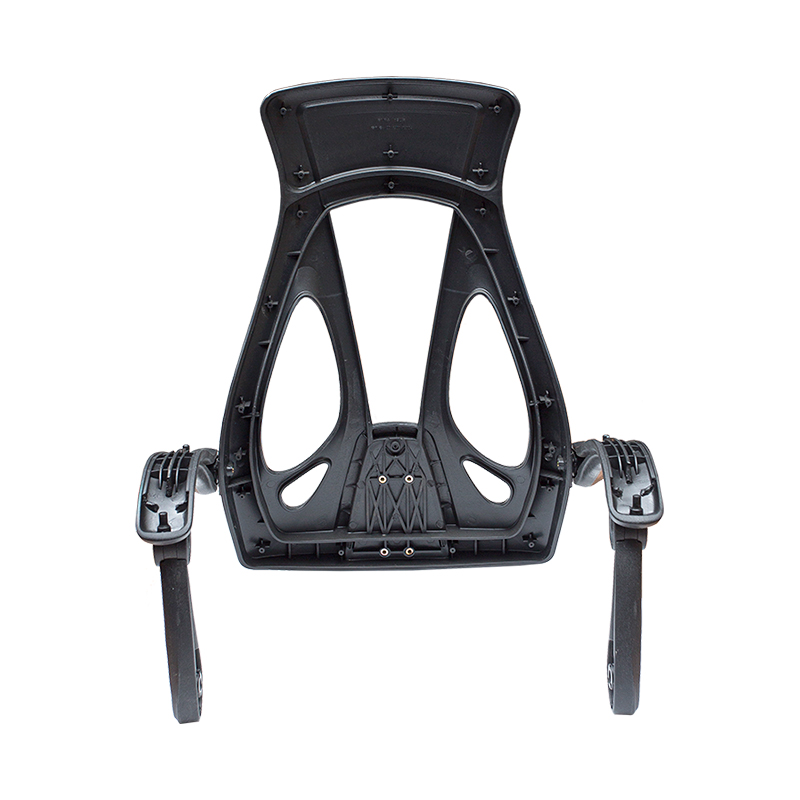
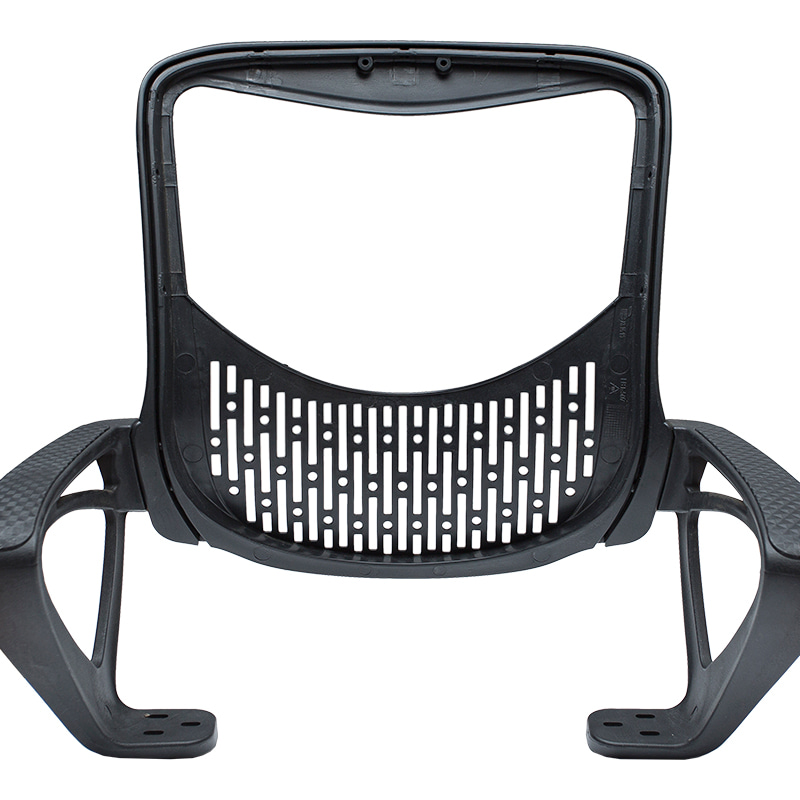
- Rugleuning (achterpaneel): De vertical surface that supports the sitter's back. In upholstered chairs this is a padded panel; in office chairs it is often a mesh-stretched frame or moulded plastic shell.
- Lendensteun: Een voorgevormd uitsteeksel of verstelbaar kussen in het onderste gedeelte van de rugleuning dat de lumbale kromming van de wervelkolom ondersteunt. Bij hoogwaardige ergonomische stoelen is de lendensteun onafhankelijk van elkaar in hoogte en diepte verstelbaar.
- Hoofdsteun (neksteun): Een verlenging boven de hoofdrugleuning die het hoofd en de nek ondersteunt. Vaak voorkomend bij directiestoelen met hoge rugleuning en steeds vaker standaard bij ergonomische bureaustoelen. Kan vast of in hoogte en hoek verstelbaar zijn.
- Rugbekleding: De covering material on the rear-facing surface of the backrest. On many chairs the rear face uses a different, less expensive material than the front since it is not in contact with the user.
- Achterframe: De internal structural skeleton of the backrest — typically steel rod, aluminium extrusion, or moulded plastic — to which upholstery or mesh is attached. Visible on wire-frame and exposed-frame chair designs.
Armleuningen en hun componenten
- Armleuning (arm): De horizontal surface on which the user rests their forearm. May be fixed or adjustable. Described by their adjustment axes: in hoogte verstelbaar (1D), in hoogte en breedte verstelbaar (2D), in hoogte, breedte en draaipunt verstelbaar (3D), of in hoogte, breedte, draaipunt en diepte verstelbaar (4D) .
- Armkussen (armleuningkussen): De cushioned or padded top surface of the armrest that contacts the forearm. Often replaceable as a separate part; common materials include PU foam, PVC, gel, and fabric.
- Armbeugel (armsteun): De structural bracket connecting the armrest to the seat pan or chair mechanism below. Usually steel or reinforced nylon.
- Opklapbare arm: Een armleuning die is ontworpen om omhoog te klappen en die doorgaans wordt gebruikt bij stoelen die worden gebruikt in gezondheidszorg-, onderwijs- en trainingsruimtes waar vaak toegang vanaf de zijkant vereist is.
De Chair Mechanism and Height Adjustment
Bij bureau- en bureaustoelen bevat de interface tussen zitting en onderstel de verstel- en bewegingsmechanismen die een ergonomische stoel onderscheiden van een statische stoel:
- Stoelmechanisme (kantelmechanisme, bedieningsmechanisme): De metal plate assembly mounted beneath the seat pan that controls tilt, recline, and rocking functions. The mechanism housing contains the tension spring, lock, and pivot points. Common types include single-lever, multi-function, synchronised tilt (where the seat and backrest tilt in a defined ratio), and free-float mechanisms.
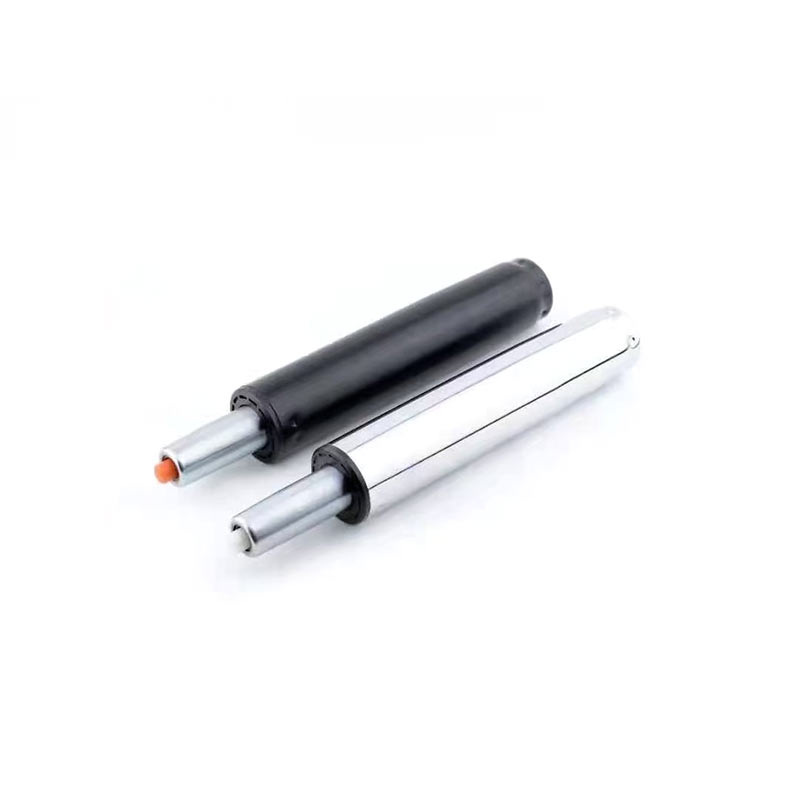
- Gasfles (pneumatische cilinder, gaslift): De spring-loaded nitrogen-filled cylinder connecting the mechanism to the chair base that provides height adjustment. Pressing the seat height lever releases the valve; body weight compresses the cylinder to lower the seat, and removing body weight allows the nitrogen pressure to raise it. Standard cylinders provide a Hoogteverstelbereik van 100–150 mm ; hoge cilinders verlengen dit tot 200 mm of meer.
- Spanningsknop (kantelspanningsregelaar): Een knop, meestal onder de voorkant van de stoel, die de veerweerstand van het kantelmechanisme aanpast, waardoor zwaardere of lichtere gebruikers de leuninspanning naar eigen voorkeur kunnen instellen.
- Kantelvergrendelhendel: Vergrendelt de rugleuning in de rechtopstaande of een gekozen liggende positie. Door de vergrendeling los te maken, kunt u vrij schommelen of achterover leunen.
De Base, Legs, and Caster Assembly
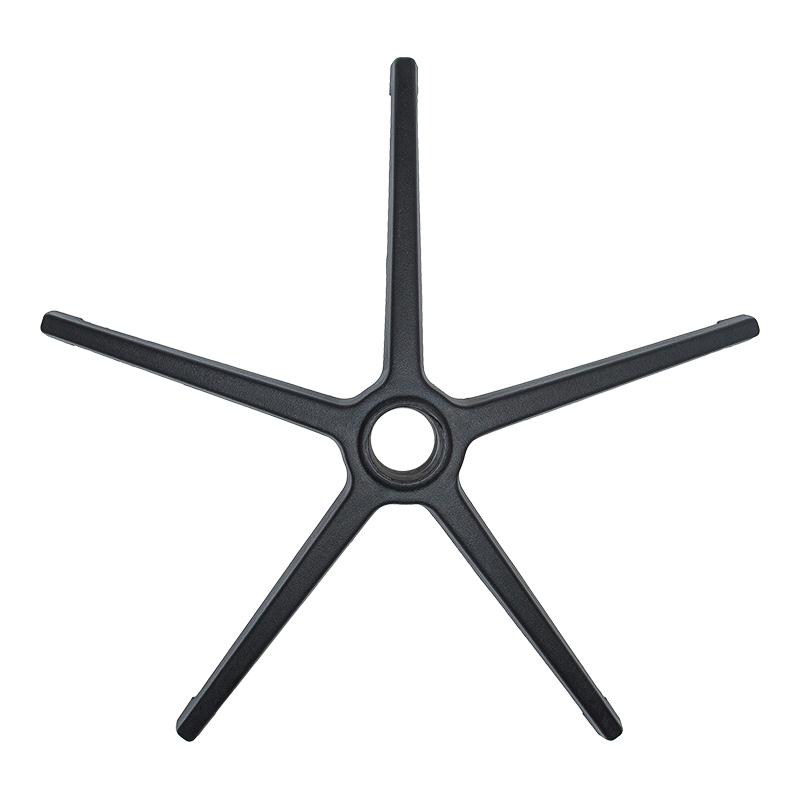
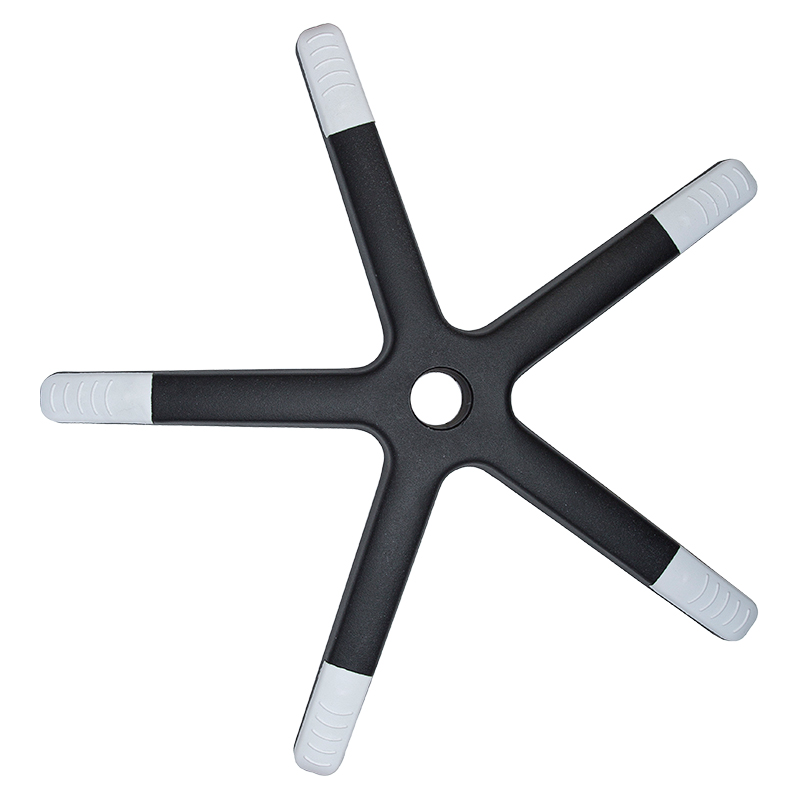
- Stoelonderstel (steronderstel, vijfsteronderstel): De radial support structure at the bottom of an office chair, typically with five arms extending from a central hub. A five-point base is the industry standard for stability — vierpuntshonken zijn inherent minder stabiel en worden zelden gebruikt in professionele zitmeubelen. De basis is gemaakt van nylon (met glas gevuld voor sterkte), aluminiumlegering of staal.
- Basisarm (basispoot, basisstraal): Elke individuele arm straalt uit vanuit de centrale naaf van de sterbasis. Het aantal en de lengte van de basisarmen bepalen de voetafdruk en de kantelweerstand van de stoel.
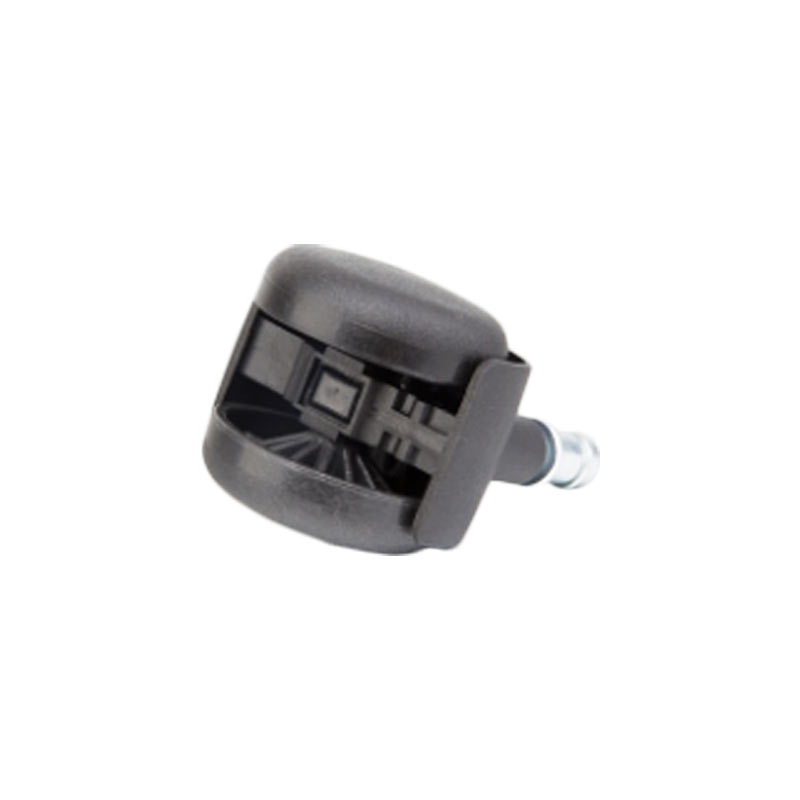
- Zwenkwiel (wiel, bureaustoelwiel): De wheeled assembly at the tip of each base arm that allows the chair to roll. Each caster consists of a wheel (or twin wheels), a housing, a stem, and a swivel bearing that allows 360° rotation. Caster wheel materials include nylon (hard, for carpeted floors), polyurethane (soft, for hard floors), and rubber.
- Caster-steel (caster-post, caster-pen): De vertical pin on the caster that inserts into the socket in the base arm to secure the caster. The most common type is the grijpringsteel (ook wel wrijvingsteel genoemd) — een gewone cilindrische pen met een veerklemring die hem in de fitting vergrendelt. De diameter en lengte van de steel moeten overeenkomen met de basisaansluiting; de meest voorkomende maat is 11 mm diameter x 22 mm lengte (ook wel 7/16 in steel genoemd).
- Glijden (voetglijder, stoelvoet): Een niet-rollende plastic of rubberen dop die op de basisarmhouder past in plaats van een zwenkwiel. Gebruikt op harde vloeren waar rollen niet gewenst is, of op stoelen die bedoeld zijn voor vaste plaatsing.
Namen van onderdelen van eet- en bijzetstoelen
Niet-rollende stoelen delen veel zit- en rugleuningtermen met bureaustoelen, maar hebben hun eigen structurele woordenschat voor de montage van de poten:
- Voorpoten / achterpoten: De vertical structural members supporting the seat at front and back. On traditional wooden chairs, rear legs typically extend upward to form the back stiles.
- Stijl (achterstijl, rug rechtop): De vertical side members of the backrest frame. On a ladder-back or Windsor chair, the stiles are the two vertical posts that define the sides of the back.
- Rail (dwarsrail, brancard): Horizontale elementen die de poten verbinden om structurele stijfheid te bieden. EEN stoelrail verbindt de benen net onder het zitniveau; een achterste rail is het horizontale element dat de stijlen overspant. Brancards zijn horizontale beugels op een lager niveau tussen de benen.
- Splat: De central vertical decorative and structural panel in the middle of a chair backrest — characteristic of traditional and Queen Anne style chairs. Shaped and carved splats are a primary identifier of antique chair styles.
- Schort (zitschort, rok): De horizontal panel running around the perimeter of the seat frame between the tops of the legs, concealing the seat construction and providing structural rigidity to the leg-to-seat joint.
- Voetdop (beendop, voetglijder): Een plastic, rubberen of vilten dop aan de onderkant van elke poot om het vloeroppervlak te beschermen en te voorkomen dat de poten splijten op harde vloeren.





 En
En




